
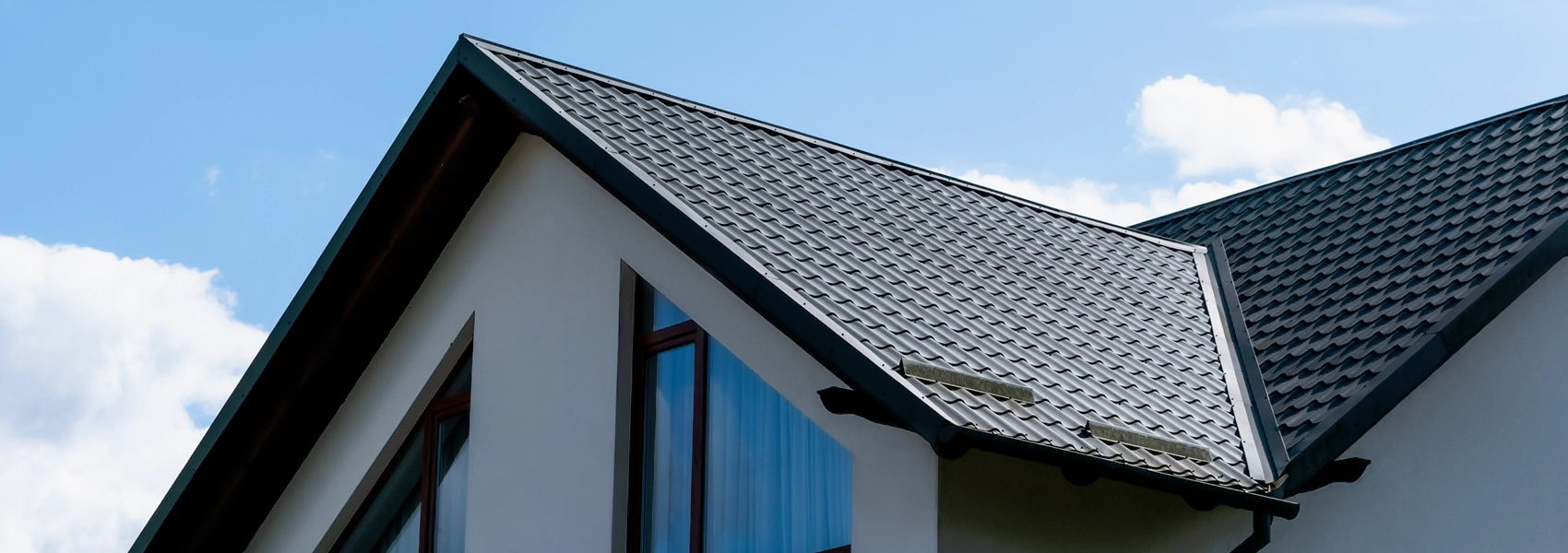
Irregular roof profiles are where waterproofing gets genuinely interesting. Deeply contoured terracotta or concrete tiles, historic chimneys with their own quirks of shape, and complex, multi-angled valleys all demand highly flexible flashing solutions to ensure a proper seal. For decades, lead was the material of choice because it could be dressed and shaped by hand into almost any profile. These days, though, traditional lead flashing is rapidly giving way to high-performance synthetic alternatives that offer the same shape-hugging flexibility, with none of the toxicity concerns and a fraction of the installation time.
Roofers and homeowners across Australia are increasingly turning to these modern products, drawn by how quickly and cleanly they can be worked into place. This guide looks at why these modern stretchable composites are winning over Australian roofers, what to look for in a lead-free product, and how to get the best result when dressing them into tricky roof details.
Why Traditional Flashing Fails on Irregular Roof Profiles?
Rigid metal flashings do a fine job on straightforward rooflines, but irregular roofs push them past their comfort zone in a few predictable ways.
The Core Challenges of Irregular Roof Layouts
Standard aluminium or galvanised steel flashing has a shape “memory,” meaning it wants to spring back toward its original form once it’s bent or pressed into place. On a complex junction, this creates small gaps where the metal doesn’t quite hold its shape, and those gaps become entry points for wind-driven rain and, over time, wind uplift. A material that stays exactly where it’s dressed, without fighting to return to flat, makes a real difference on these more demanding profiles.
The Multi-Layer Problem: Deep Profiles and Complex Valleys
High-profile concrete tiles, the curves of corrugated metal sheeting, and multi-angled dormer junctions all add another layer of difficulty. Sealing these details properly means the flashing has to follow deep troughs and tight curves without thinning out, tearing, or leaving hollow pockets underneath where water can pool. It’s precisely this kind of challenge that modern lead-free composites were designed to solve
Top Features to Look For in Lead-Free Alternatives
Not all synthetic flashing products are built the same way, so it helps to know which features actually matter on an irregular roof.
Extreme Elongation and Lengthwise Stretch
A high stretch rate, generally somewhere in the 40% to 60% range, is one of the most important qualities to look for. This is what allows the material to be pressed deep into tile troughs and around tight curves without thinning out or tearing at the stress points. A flashing with plenty of stretch in reserve gives installers the confidence to really mould it into place, rather than working around the material’s limitations.
Full Butyl Adhesive Backing vs. Self-Fusing Edges
Two main bonding approaches are worth understanding. Self-adhesive flashings use a full butyl backing that locks down firmly against the substrate, helping resist wind uplift from day one. Self-fusing polymer products take a different approach, forming a seamless chemical bond wherever two overlapped sections meet, which is particularly handy on longer runs or more complex junctions where multiple pieces need to join together invisibly.
The Best Lead-Free Flashings for Irregular Roofs Compared
A handful of products lead the Australian market for irregular roof applications, each with its own particular strengths.
Wakaflex Premium: The Best Overall for Seamless Joints
Wakaflex is built from polyisobutylene (PIB), a material prized for its chemical self-fusing properties and its classic, lead-like malleability. This combination makes it a favourite for jobs where a genuinely seamless finish matters, since overlapped joints bond together rather than simply sitting on top of one another. It’s a great option where appearance and long-term watertightness both need to be spot on.
Smartform: Best for Maximum Stretch and Extreme Contours
Smartform stands out for its creped aluminium top sheet and impressive stretch capability, making it particularly well suited to deep corrugated metal profiles or high-barrel Spanish-style tiles. Where a roof’s contours are especially pronounced, this level of stretch gives installers real confidence that the material will follow the shape without stress or tearing.
Klober Easyform & Ubiflex: Best for Custom Details and Budget Repairs
Klober Easyform and Ubiflex both offer great value for intricate structural masonry corners, solar mounting brackets, and valley gutters, handling these fiddly details without material fatigue over time. They’re a smart choice for smaller repair jobs or custom detailing where a full roll of premium product isn’t needed, while still delivering a dependable, long-lasting result.
Step-by-Step Installation Tips for Trickier Roof Elements
Getting a great result from any of these products comes down to preparation and technique just as much as the flashing itself.
Surface Preparation for Complex Substrates
Before any flashing goes down, the substrate needs to be properly prepared. Clearing away dust, moss, and moisture from irregular clay, concrete, or metal profiles is essential to guarantee full adhesion. A clean, dry surface gives the adhesive backing or self-fusing polymer the best possible chance to bond properly and stay put for the long haul.
Dressing and Rolling the Material
Once positioned, a silicone seam roller is the tool of choice for firmly pressing the flashing into valleys and over ridges. Rolling methodically across the whole surface helps eliminate any hollow air pockets, ensuring the material sits flush against every contour. Taking the time to dress the flashing properly at this stage is what turns a good product into a genuinely watertight result.
Conclusion
Lead-free flashing has changed the game for irregular Australian roofs, combining the shape-hugging flexibility roofers have always valued in lead with faster installation, lower toxicity, and excellent long-term performance. Whether you’re tackling a heritage chimney, a deep-profile tile roof, or a tricky valley junction, there’s a modern composite built to handle the job beautifully, and the payoff is a roof that stays watertight and looks great for years to come.
If you’re planning a roofing project and want expert advice on the right flashing for your home, get in touch with the team at Studio Clad. Their expert team delivers high-quality, weather-resistant solutions tailored to withstand demanding environmental conditions. You can contact them today through their online consultation form or call their team directly to discuss your project’s unique specifications.