
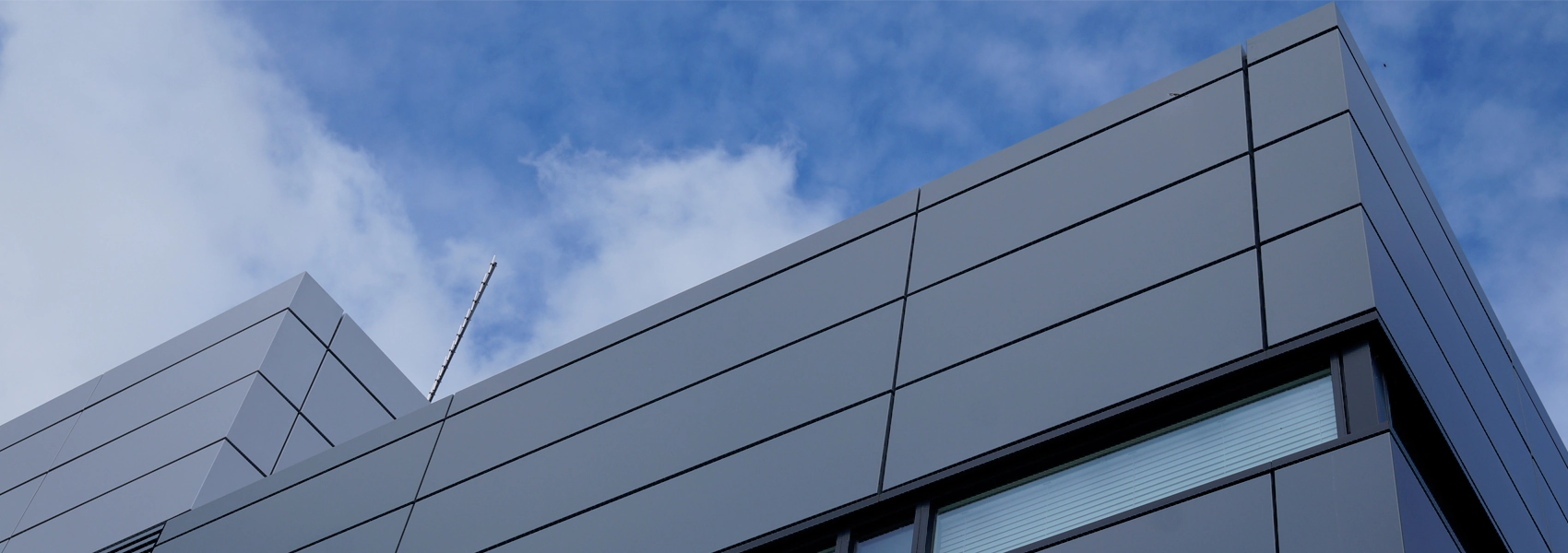
Among the countless options available today, steel cladding has carved out a pretty impressive reputation. Not because it’s trendy, although it certainly has that going for it, but because it delivers a rare combination of practicality and visual flexibility. It can look crisp and contemporary one moment, rugged and rural the next.
But choosing steel cladding isn’t simply about deciding on a material. The profile you select can completely alter the personality of a building. In some cases, two homes finished in the same colour can look worlds apart simply because they’ve used different profiles.
So, let’s dig a bit deeper.
Steel Cladding: More Than Just a Tough Exterior
Australian weather doesn’t exactly play nice all year round. One week it’s scorching sunshine, and the next, sideways rain. Coastal regions have salty sea breezes nibbling away at building materials, while inland areas can swing from blazing heat to chilly mornings faster than you’d expect.
Steel, thankfully, tends to take all of that in its stride.
Unlike timber, it won’t decide to twist itself into strange shapes after a few seasons. It doesn’t attract termites looking for food. Rot isn’t usually part of the conversation either. Add fire resistance and impressive longevity into the mix and suddenly it’s easy to see why architects and builders keep coming back to it.
However, focusing only on durability misses half the story.
Steel has become a designer’s favourite because it behaves a bit like a blank canvas. Depending on the profile, colour, and finish you choose, the same material can feel industrial, coastal, minimalist, luxurious, rustic, or some blend of all four.
Why Profiles Matter More Than Most People Realise
The profile is often what creates the visual magic. Some profiles create strong, dramatic lines that shout confidence, while others add texture and movement without demanding attention. The effect can be surprisingly powerful, but you must find the right fit.
How do you find the right steel cladding?
Start with the Overall Personality of the Home
Contemporary Homes
Modern architecture usually leans toward clean geometry and uncluttered surfaces. Sharp-edged profiles with distinct vertical lines often work beautifully here because they reinforce that sense of order and precision.
Profiles with recessed joints, hidden fixings, and crisp detailing can make a facade appear sophisticated without trying too hard.
Coastal Retreats
Now, coastal homes tell a different story altogether. They’re generally more relaxed and more breezy. Mostly, they are less concerned with making a bold statement and more interested in creating a sense of ease.
Softer profiles tend to complement this style nicely. Gentle corrugations and flowing shapes introduce texture while maintaining an informal, welcoming character.
Pair them with lighter shades and natural materials and suddenly you’re halfway to a holiday feeling.
Traditional and Heritage-Inspired Homes
Rural Properties
Out in the country, things shift again. Large landscapes tend to favour materials that feel grounded and connected to nature. Curved profiles can soften a building’s appearance and help it settle more comfortably into its environment.
Some rural homes almost seem to grow from the land itself when the right cladding profile is used. That’s not easy to achieve, but when it works, it works beautifully.
Don't Ignore the Sun
This sounds obvious, yet it gets overlooked surprisingly often. Light changes everything.
A profile that looks subtle in a showroom might become incredibly dramatic on a north-facing wall. Likewise, a heavily ribbed profile can appear far more restrained when installed on a shaded elevation.
North and west-facing walls usually receive stronger sunlight, producing deeper shadows and greater visual contrast. If you’re aiming for bold architectural expression, these areas can really showcase the profile’s depth. Meanwhile, softer light on southern or eastern walls often favours more understated profiles.
The trick is to view samples outdoors whenever possible. Tiny showroom displays can be deceiving.
Vertical or Horizontal? The Old Debate
There’s no universally correct answer here, only what serves your design best.
Vertical cladding has surged in popularity over the last decade, and it’s not difficult to understand why. It naturally draws the eye upward, making buildings appear taller and more elegant.
Horizontal cladding, on the other hand, creates a stronger connection to the landscape. It can make a home feel wider, more settled, more anchored.
Neither approach is inherently better. They’re simply telling different visual stories. And sometimes, a combination of both can create striking results.
Working with Other Materials
Steel cladding rarely works alone. More often than not, it’s sharing the stage with timber, stone, brick, glass, concrete, or some combination thereof. That’s where profile selection becomes particularly important.
- A smooth flat panel can provide a beautiful counterbalance to rough stone.
- Deep vertical ribs can add structure alongside warm timber features.
- Curved profiles often soften the severity of concrete.
Oddly enough, the best designs often rely on contrast rather than perfect matching.
Popular Steel Cladding Profile Styles
Broadly speaking, most steel cladding profiles fall into three major camps.
Vertical Ribbed Profiles
Strong, structured, and architectural.
These profiles generate pronounced shadow lines and create a sense of order. They’re especially popular in contemporary homes where bold geometry forms part of the design language.
Flat Panel Profiles
Clean and understated.
Flat panel systems appeal to homeowners who prefer simplicity over ornamentation. They create sleek facades that feel refined rather than flashy. Sometimes, less really is more.
Curved Profiles
Curved profiles introduce softness and rhythm.
Instead of sharp visual interruptions, they encourage the eye to move smoothly across the surface. They can make larger buildings feel more approachable and often suit coastal or rural settings exceptionally well.
Wrapping It Up
The profile you choose will influence far more than most people expect. It’ll affect how sunlight dances across the walls, how the building sits within its surroundings, and even how people experience it from the street.
So, take your time and look at real-world installations, compare profiles in different lighting conditions and trust your instincts a bit, too.
Because when the profile, colour, and overall design all pull in the same direction, the result feels effortless. If you need more expert insights, feel free to share your preferences with us at Studio Clad. We will help figure it out.