
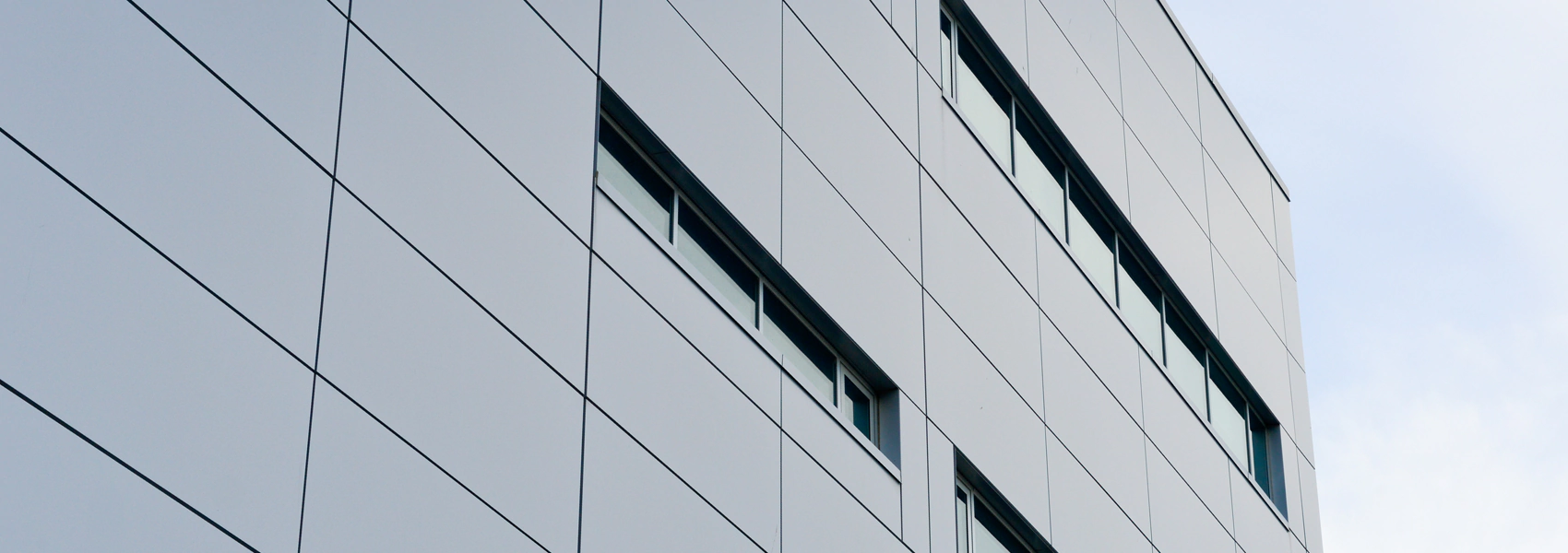
Modern Australian architecture demands a difficult balance. You need a sleek, contemporary visual appeal wrapped in a durable and sustainable building envelope. While aluminium is widely specified for exactly this reason, choosing your cladding blindly based on colour or profile alone is a massive financial and structural risk. So, let’s break down the core structural, regulatory, and environmental parameters you must evaluate before making your procurement decision.
What You Need to Know Before You Buy Aluminium Cladding
Let’s get straight into the practical realities of metal cladding across Australia. You want an exterior that looks brilliant on day one and holds its strength and aesthetic for decades without constant upkeep. But to get that result, you need to treat your cladding as an engineered system, not just a decorative sheet. Here is your actionable roadmap to specifying it correctly from the start.
1. Verify NCC Compliance & Fire Safety
Understand the National Construction Code (NCC) requirements first. Fire safety isn’t just paperwork; it is the structural bedrock of your entire build. You must ensure to specify solid aluminium, i.e., cladding manufactured from a single, continuous and homogeneous sheet of 100% aluminium alloy. Avoid older Aluminium Composite Panels (ACPs) that rely on combustible polyethylene cores, which present severe fire risks.
Demand independent testing certificates. Do not just take a supplier’s word on compliance. Always request NATA-accredited laboratory test reports, such as those issued by the CSIRO. You are looking for clear, verified proof that the material complies with AS 1530.1 (combustibility test for building materials) and AS 1530.3 (simultaneous determination of ignitability, flame propagation, heat release, and smoke release).
Also, remember that local councils and building surveyors across Victoria and wider Australia will not sign off on your project without these verified Australian Standards. Getting this wrong early means project delays and costly on-site rectifications.
2. Scrutinise Weatherproofing & Structural Limits
Look beyond the clean lines to the weatherproofing engineering. A cladding panel is only ever as good as its defense against wind and water. Australian weather shifts fast, and your façade has to handle extreme atmospheric pressure without leaking, rattling, or failing.
Check for AS 4284 compliance. Before you lock in a profile like Standing Seam, Interlocking, or Nailstrip panels, verify that the complete system has been tested to AS 4284 (Testing of Building Facades). This rigorous Australian Standard tests how the interlocking mechanics, fixings, and joints perform under heavy driving rain and extreme wind loads, right up to cyclonic conditions. If a system hasn’t passed AS 4284, you risk structural failure and severe water ingress the moment a storm hits.
3. Match Coating Specs to the Australian Sun
Protect your finish against extreme UV radiation. Australia experiences some of the harshest ultraviolet radiation in the world. Standard industrial paint lines simply won’t last long. They quickly break down, leading to unsightly chalking, severe fading, and a patchy finish within just a few years.
Specify high-performance architectural coatings. To keep your project looking sharp for decades, verify the coating technology before you buy. You want multi-layer PVDF (polyvinylidene fluoride), FEVE fluoropolymer finishes, or premium marine-grade powder coatings. Ensure your chosen finish is certified to world-class architectural standards like AAMA 2605. This specification guarantees superior resistance to UV degradation, gloss retention, and chalking under relentless sun exposure.
4. Plan for Thermal Movement & System Engineering
Here is a practical reality many first-time buyers miss: metal moves. Aluminium expands and contracts significantly as ambient temperatures shift between freezing winter mornings and scorching 40°C summer afternoons.
Engineer your sub-structure. Proper installation requires an engineered sub-structure setup, flexible fixings, sub-flashing, and dedicated ventilation cavities behind the panels. If your cladding is fixed too rigidly without allowance for thermal movement, the metal will buckle, warp, or create an unsightly ripple known as “oil-canning.” A ventilated air gap lets the building breathe, manages condensation, and allows the metal to naturally move without compromising the watertight seal.
5. Understand the Low-Maintenance Warranty Reality
Be realistic about maintenance requirements. Low maintenance does not mean zero maintenance. While solid aluminium will never rot, warp, or require repainting like timber or render, you still need to care for the surface coating to preserve your manufacturer warranty.
Follow a basic wash-down routine. Most premium coating warranties require a basic annual rinse with fresh water and a mild, non-abrasive soap. This simple wash clears away destructive salt crusts in coastal zones and industrial urban grime that can slowly etch into the protective coating over time. A quick clean once a year keeps your façade looking brand new and ensures your warranty remains fully intact.
Here’s a tabular view of aluminium cladding specification checklist
| Specification Parameter | What to Demand | Why It Matters in Australia |
|---|---|---|
| Material Core | 3mm Solid Aluminium or Extrusions | Eliminates fire risk; fully compliant with AS 1530.1 & AS 1530.3. |
| Weatherproofing | AS 4284 Tested Systems | Prevents water ingress during severe wind and driving rain. |
| Surface Coating | PVDF, FEVE, or AAMA 2605 Certified | Resists Australia’s harsh UV radiation without fading or chalking. |
| Installation Setup | Ventilated Sub-Structure Cavity | Accommodates thermal expansion and prevents unsightly oil-canning. |
Why Is Aluminium Cladding Highly Desirable?
- The 95% Energy Equation: According to data from the Australian Aluminium Council, recycling aluminium requires only about 5% of the energy needed to produce primary bauxite metal. This dramatic saving slashes the embodied carbon of your building right from day one.
- Infinite Lifecycle: Grounding this circular economy, the International Aluminium Institute confirms that nearly 75% of all aluminium ever produced globally remains in active use today. It can be melted down and repurposed infinitely without losing its structural strength.
- Self-Protecting Chemistry: Raw aluminium naturally generates a microscopic oxide layer the second it meets air, sealing the metal from corrosion without requiring toxic, ongoing chemical treatments.
Concluding Words
Even the highest-grade aluminium profile means nothing without precise detailing, proper sub-flashing, and clean alignment. Workmanship and execution are what turn good materials into exceptional, long-lasting facades that hold up to Melbourne conditions.
Reach out to us and get your project started on the right foundation. Let’s collaborate and translate your architectural concepts into a durable, site-ready reality that stands the test of time.